Beyond Vibe Coding Season 2, Episode 5
Shipping more, not faster
Agents were writing 95% of Parloa’s code, and cycle time didn’t move. Italo’s episode of Beyond Vibe Coding, chapter by chapter, with the lessons pulled out.
Written by Claude, not by Italo. Claude, an AI model made by Anthropic, wrote these highlights from a transcript of the episode. The quotes are Italo’s own words from the recording, lightly trimmed, each linked to the second it was said. The summaries and lessons are Claude’s reading of them, not Italo’s writing, which is in Writing.
In July 2026, Sebastian Heide-Meyer zu Erpen and André Neubauer had Italo on Beyond Vibe Coding to talk about how Parloa, a company that builds AI agents, builds software with them. By the time they recorded, agents were writing 95% of Parloa’s code, and cycle time had not moved.
These are the highlights, chapter by chapter, with a lesson drawn from each. Every quote links to the second it was said.
Chapter I 01:17 Platform as a product
Most of Italo’s career has been in platform teams: HelloFresh, N26, Urban Sports Club, Babbel, and now Parloa. One idea runs through all of them. A platform is a product, not a cost center.
Once you flip the coin and think about them as potentially revenue generators, you also change how you think organically in the organization and how you build the teams around.
The lesson Treat reliability, security and infrastructure as leverage, not as things a company has to have. It changes how you think about the organization, and the teams you build.
Chapter II 04:21 Write it yourself
Writing is the one thing Italo doesn’t hand to AI; he uses it as a rubber duck that argues back. Building follows the same loop at home and at work: spec it out, research, implement, validate, deploy. In management, skills take the administrative load (performance reviews, interview preparation, the morning priorities) and stop short of the decisions.
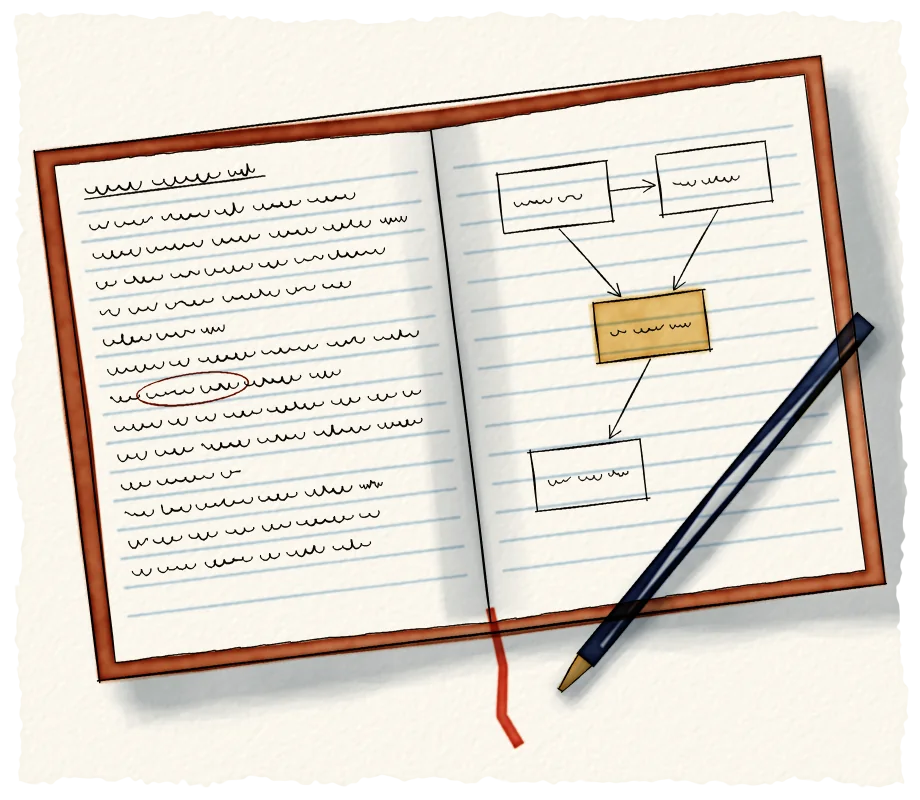
Writing helps me think better. So I still do the writing myself.
I don’t like to offload the decision of hiring for AI.
The lesson Automate the admin, keep the judgement. AI can prepare the interview. A person makes the hire.
Chapter III 16:00 The kitchen
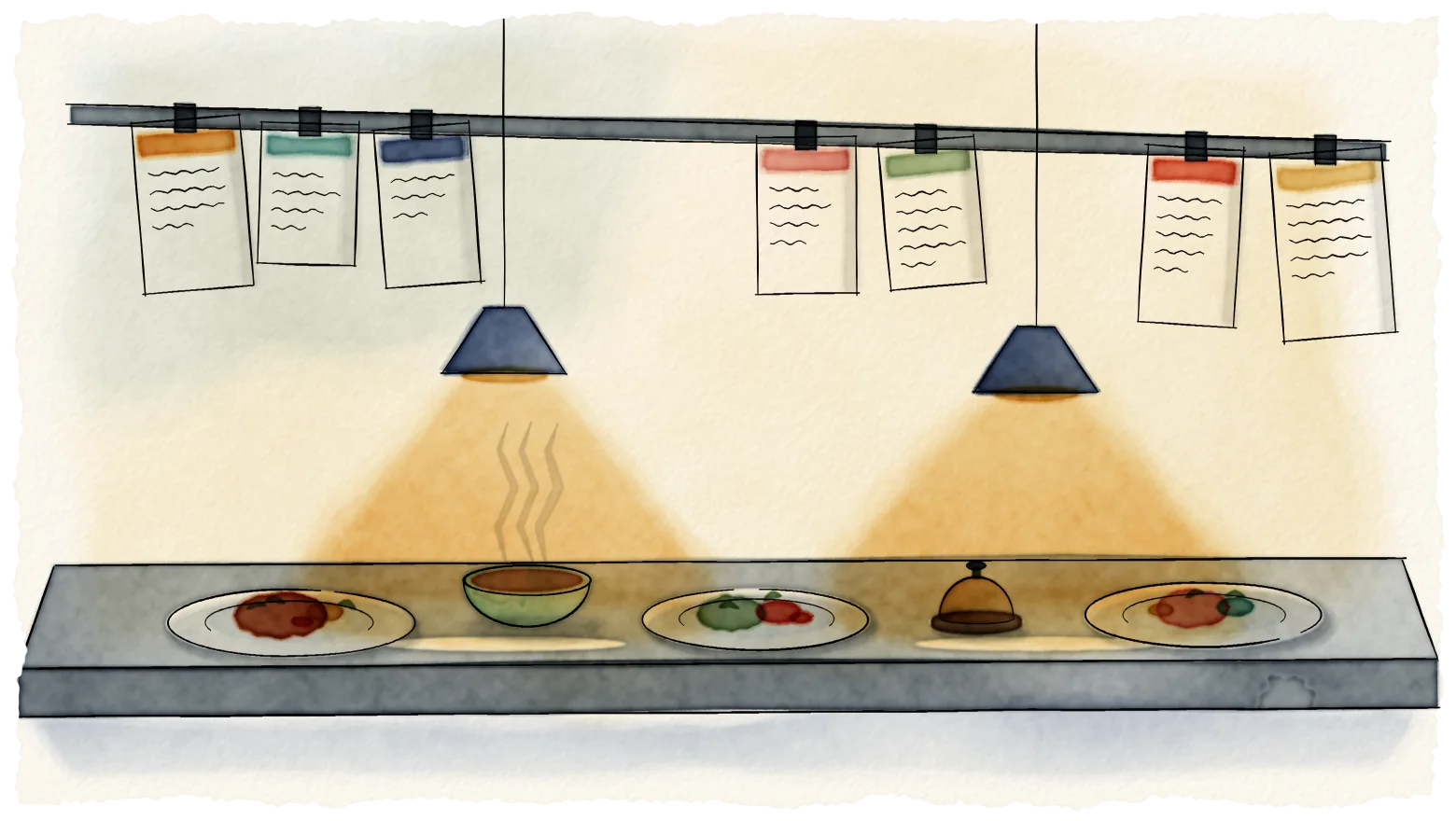
One engineer collected skills in a repository and called it the kitchen. Hardly anyone used it until a team rewrote a struggling service in one Accelerator Week without touching the code, passed Parloa’s checks in SonarQube and shipped it to a slice of customers. Then Show me how you cook made it social. Soon 95% of Parloa’s code was coming out of the kitchen.

The kitchen is nothing but a bunch of skills together. [It] is the harness.
The lesson Prove a harness on something real, then make adoption social. A nice repository that a few people know about is not a system.
Chapter IV 23:28 More, not faster
Cycle time didn’t move. Parloa was shipping more, not faster. 24:51
The double-edged sword. Writing code was never the slow part, so making it faster did not move cycle time. Parloa automated the rest of the cycle instead: smaller pull requests, a panel of review agents with an LLM judge that sends risky changes to a person, and rollouts with a small blast radius, watched through change failure rate.
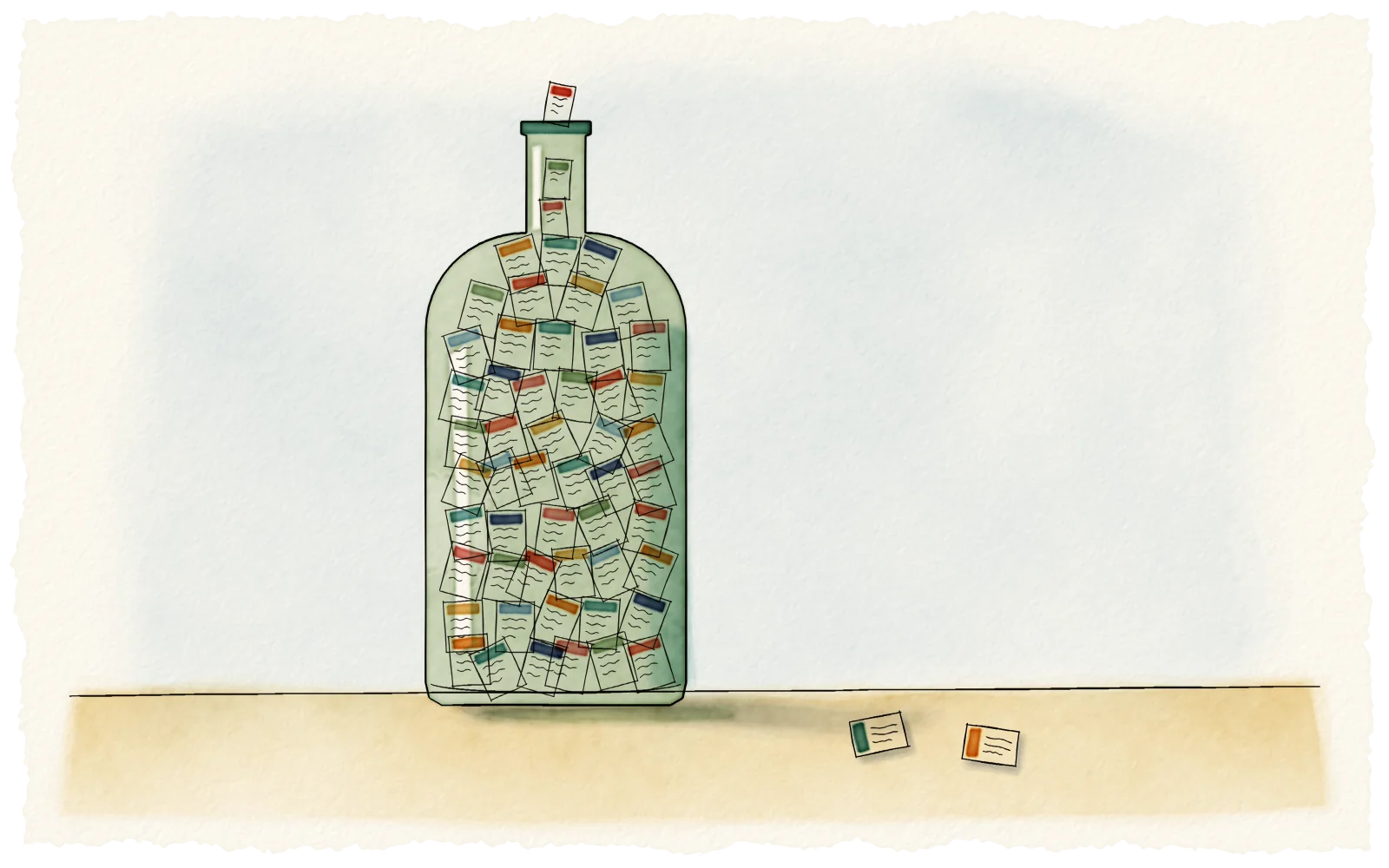
The days are invented. Only the arithmetic is real: speeding up one stage moves the total by no more than that stage was ever part of it.
- A small pull requestSmall enough for a person to read, which makes it perfect for an agent.
- A panel of review agents
- SRE. SLOs and SLIs, circuit breakers, bulkheads.
- Security. Is there a threat model? If not, it comments and blocks.
- And others. One non-deterministic concern each.
- An LLM judgeWaits for the panel, checks that it agrees, and ranks the risk.
- A person reviews it Risky changes go to a human.It merges itself Where the team has opted in to auto-merge.
- A low-blast-radius rolloutCanary releases, feature flags, staggered. With or without AI.
- Change failure rate, watchedWhen it spikes, roll back and reassess.
That was never the really difficult part to solve. Everything around it was much more difficult.
We’re shipping more, but not faster.
AI is good to amplify the good and the bad things on your processes.
The lesson Measure cycle time, not output. Faster coding only pays once review, validation and rollout keep up.
Chapter V 29:25 No single knife
None. Engineers used Claude Code, Codex, Copilot and Cursor; what Parloa enforced was the outcome. 30:33
Parloa debated making the kitchen mandatory, and standardizing on one coding agent, and did neither. Its engineers used Claude Code, Codex, Copilot and Cursor. What it enforced was the outcome, through deterministic checks against a maturity model. And when Claude Code had a bad day, a proxy that falls back to Codex kept everyone working.
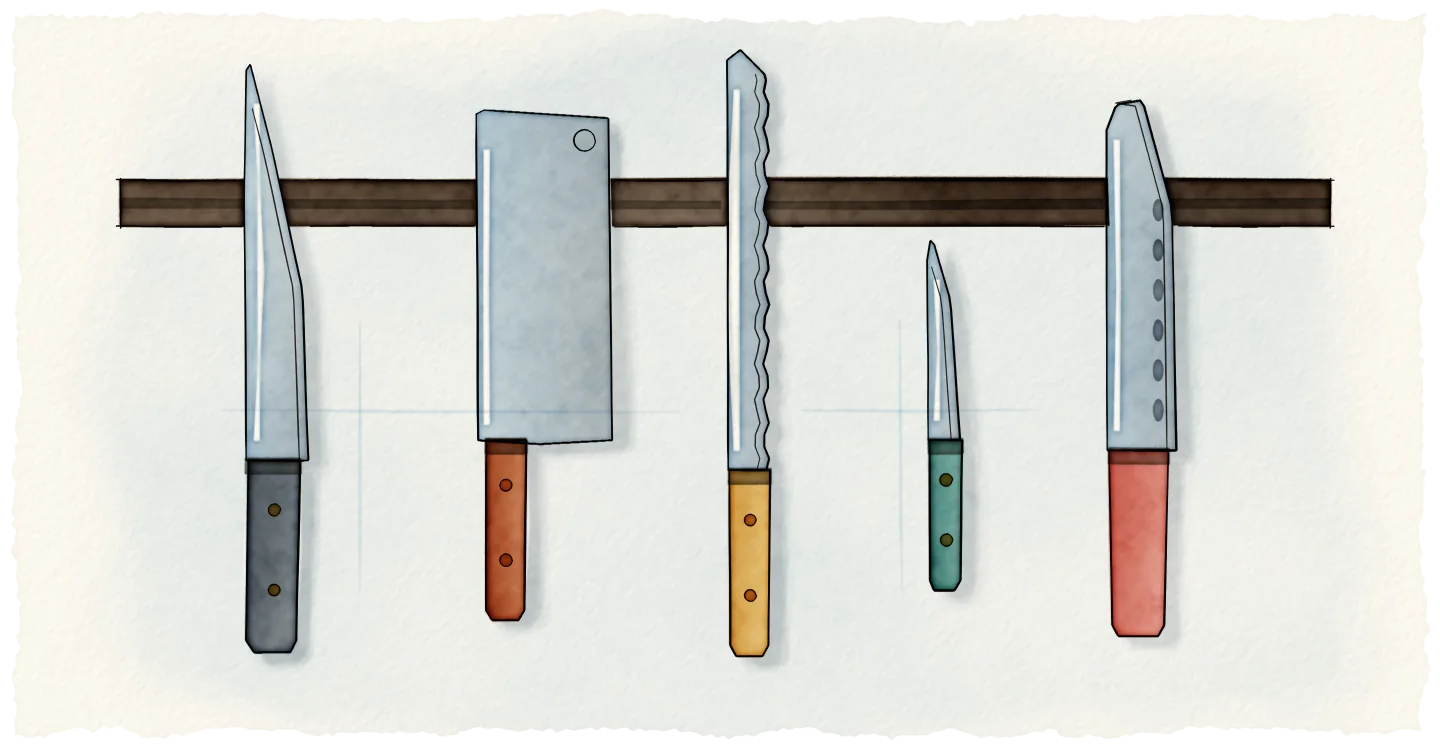
We don’t force you to use it, but you should feel that by using it, you become faster.
Everybody forgot how to code.
The lesson Mandate the outcome, not the tool. Make the paved road faster than any alternative, and plan for your vendor’s bad day.
Chapter VI 41:48 The dark kitchen
The vision: a PRD handed over on Friday, built, reviewed and deployed by agents by Monday. The technology is close; the question is how much risk to take, and in July Italo said some teams would get there by September. If the lights go off, the investment moves to design, and to hiring product-minded architects. Quality, reliability and security are held by a program and by error budgets agreed with product, not by a central team.
I go on a Friday as a developer and I say: I have this PRD here, and I need to get this PRD to production by Monday.
We can get to that with today’s technology fairly easily. But how much risk do we want to take with that?
Enforcement doesn’t drive accountability.
The lesson The dark kitchen is a question of risk appetite, not technology. Let error budgets agreed with product decide when a team stops shipping.
Chapter VII 52:17 What doesn’t automate
The reality check. AI ships nonsense when nobody is paying attention, and it democratizes hard work, like Parloa’s VoIP stack, only until something breaks and someone needs an expert. Being AI native turned out not to be what sets a company apart.
If nobody’s really understanding or caring about what it’s producing, it can ship so much wrong stuff.
Once you start shipping things, if they break, that’s the moment that you’re going to realize: oh, I have no freaking idea what this is actually doing, and I need an expert.
Hire the right people… Foster a good engineering culture, then forget about the technology, because they will adapt to the technology.
The lesson Being AI native is not a moat. The people you hire are.
Chapter VIII 56:10 What the hosts kept
Sebastian and André kept the path from an optional kitchen to a solid harness, the review panel with a human in the loop for risky changes, the proxy, and the AI Transformation team. One of them was not sold on how much freedom teams get before review, and said so. They booked September for a follow-up.